
Words your family actually uses
One word on screen at a time. Devanagari first, romanised hint second, meaning third, with a picture and a gentle matching exercise. आमा, पानी, धन्यवाद, not vocabulary lists.
For Nepali learners everywhere
For anyone who grew up hearing Nepali and wants the words back, and for children growing up outside Nepal. Everyday words, family conversations, then the Devanagari letters and writing them by hand. Learn on your own, or beside your child.
Most Nepali families abroad know the moment. Someone asks in Nepali, and the answer comes back in English.
You understand every word. They just don't come back yet.
What's inside
Everything here was built around one idea: a learner who feels graded stops trying. So nothing is timed, nothing is lost, and every session ends somewhere good.
One word on screen at a time. Devanagari first, romanised hint second, meaning third, with a picture and a gentle matching exercise. आमा, पानी, धन्यवाद, not vocabulary lists.
Vowels, consonants and barakhari, with letter recognition and vowel-building. Explore every letter freely, or follow guided activities in order.
Guided tracing shows how each letter is actually formed, in the right order. Handwriting is one of the strongest cues for recognising a letter later.
Lessons carry recordings of real people, added as our reviewers approve them, so you hear the sounds English does not mark, like the difference between क and ख.
No timer, no lives, no streak to break. A wrong answer is an invitation to try again. Three stars per finished lesson, awarded once. Replaying never inflates progress.
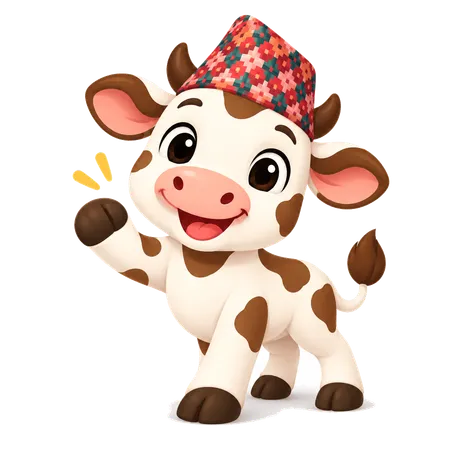
Big targets, a calm layout and a mascot who is a companion rather than a marker. Comfortable for a six-year-old and for their grandparent. iPad is a first-class screen, not a stretched phone view.
Real Nepali, from day one
The starter vocabulary is chosen for how often you will really hear it: family, home and everyday needs, before anything abstract.
How it works
On your own, or beside your child. Nepali Buddy handles the daily repetition, so time with family can be the real thing, not a lesson.
Say how much Nepali you know and what matters most: talking with family, reading and writing, or all of it. It starts from there, and you can change it any time.
A few words, a letter and its sound, or a short conversation, each short enough to finish on a win. Learning with a child? Hand them the device: there is nothing for them to type.
The words are chosen so they work on a real video call. The goal was never the app. It is saying नमस्ते to someone who has waited to hear it.
iPhone & iPad
Nepali Buddy is built as an app first. Everything is bundled into it: lessons, audio, artwork. It opens straight onto a lesson, with nothing to download and nothing to wait for.
Quietly different
Children learn here too. That should come with conditions, so here are ours in plain language.
Not a banner, not a video, not a cross-promotion. There is no ad code in the app.
The iPhone and iPad app has no accounts at all. On the web, an adult signs in. A child never signs up and never types their name into anything.
We do not measure you or your child. Nothing about how anyone learns is sold, shared or used to advertise anything.
Nothing is locked, and there is no payment screen. Free while Nepali Buddy is in early access.
Guides
Practical writing on keeping the language alive far from Nepal, for yourself and for your children: what works, what backfires, and where to start.
Words & phrases
A starter Nepali vocabulary chosen for how often a child will really hear it: family, home and everyday needs, with Devanagari, romanisation and meaning.
Reading & writing
Devanagari has 12 vowels and 36 consonants, which sounds overwhelming. Here is the order to teach them in, and why barakhari makes reading finally click.
For parents
A guide for Nepali parents abroad: why children stop speaking the language, what actually reverses it, and a weekly routine that needs no classroom.
Questions
Anyone learning Nepali away from Nepal. Adults who understand some Nepali but struggle to speak or read it, complete beginners, and children, often learning beside a parent or grandparent. When you first open it, it asks how much Nepali you know and what matters most to you, and starts from there.
No. It can start from zero: single words with pictures and sound, then the Devanagari letters. If you already know some, tell it on the first screen and it starts further in. Romanized hints (like writing namaste for नमस्ते) are shown by default and can be switched off once you are reading the script.
Yes. Nepali Buddy is free while it is in early access, both the browser version and the iPhone and iPad app. There is no subscription, no payment screen and no locked lessons.
None, and there never will be. No banners, no videos, no cross-promotion. There is no advertising code in the app at all, and no analytics or tracking of you or your child.
Not on iPhone or iPad: the app has no account at all, and your progress stays on the device. The browser version asks you to sign in once with Apple or Google, so your progress is kept in your account and follows you between browsers. If you are setting it up for a child, sign in yourself. A child never creates an account, never enters an email and never types their name into anything.
Whatever Apple or Google hands over: an account identifier, an email address and, if the provider offers it, your name. If you use Sign in with Apple you can choose Hide My Email and we only ever see a private relay address. Alongside it we keep your progress: which lessons are finished, what is due for practice, and your settings. Never a name typed in, handwriting or a voice.
On the App Store: search for Nepali Buddy, or use the Download button on this page. It is free, with no in-app purchases, and needs iOS 15 or later.
Yes. The iPhone and iPad app bundles its lessons, audio and artwork, so it works on a plane, in a car or anywhere with no signal. The browser version needs a connection.
Yes. There is a Reading and writing section covering vowels, consonants and barakhari, with letter recognition, sound playback, guided stroke-by-stroke tracing and free exploration of every letter.
Lessons are drafted and then reviewed by named human editors before they are published to the app. This is early access, so the library is still growing and we welcome corrections from Nepali speakers.